
Roofing
Flat Roofing for Residential & Commercial Properties in Chicago.
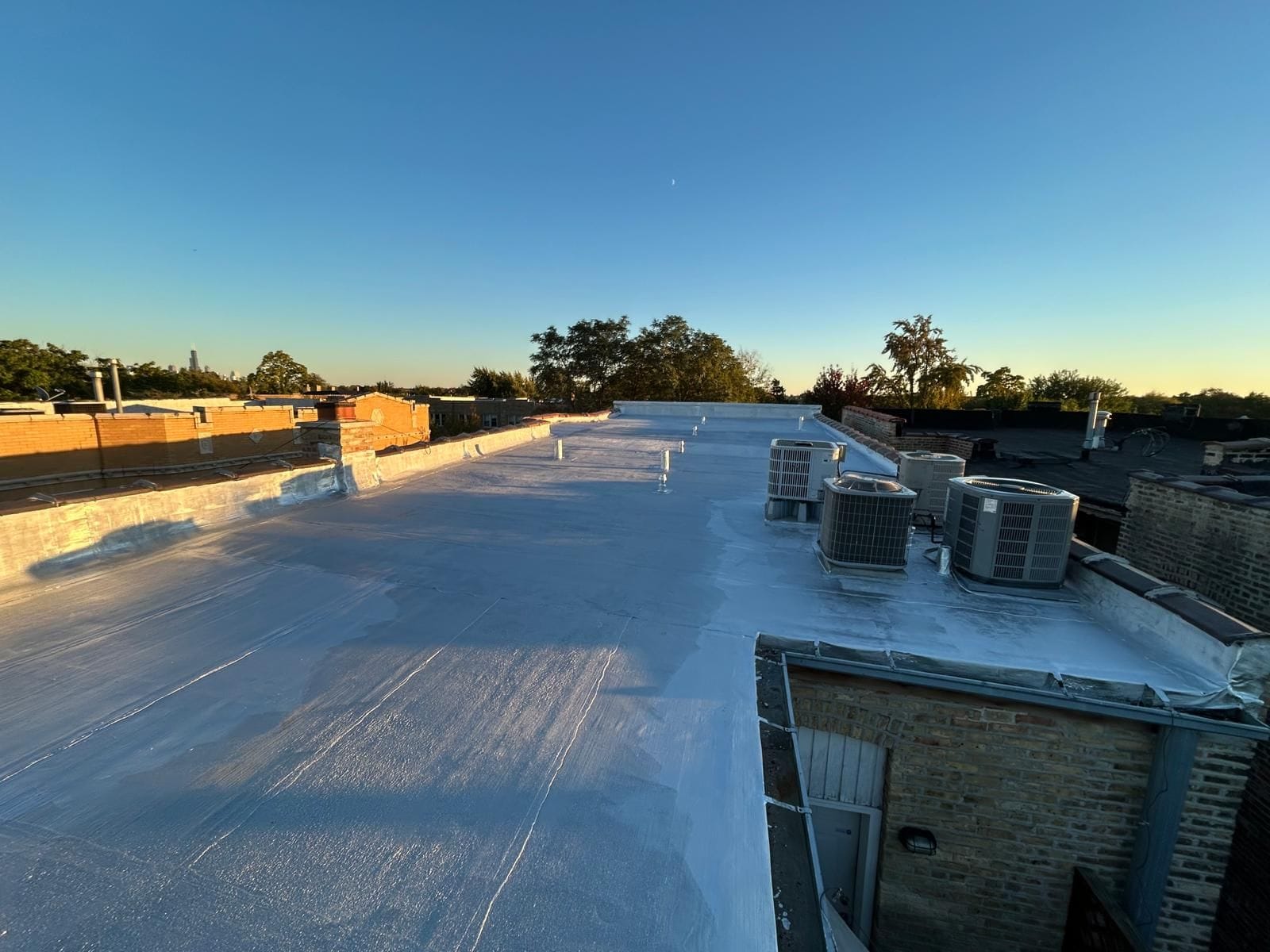
Alderline Exteriors installs and repairs flat and low-slope roofs on residential and commercial properties throughout Chicago's north and northwest side and nearby suburbs. We specialize in TPO, EPDM and torch-down modified bitumen, with drainage and flashing planned into every job.
- TPO
- EPDM
- Torch-down modified bitumen
- Coatings
- Repairs
Overview
Flat roofing for every kind of building.
From Chicago two-flats, garages and additions to retail, mixed-use and small office buildings, flat and low-slope roofs share the same priorities: water that drains, seams that hold and flashing that is detailed properly.
We install, repair and replace TPO, EPDM and torch-down modified bitumen roofing systems, and recommend one based on the building rather than a single product for every roof. We also provide roof painting and coating for suitable roofs, after confirming a coating suits the roof's material and condition.
Our flat roofing systems
Understanding Your Flat Roofing Options.
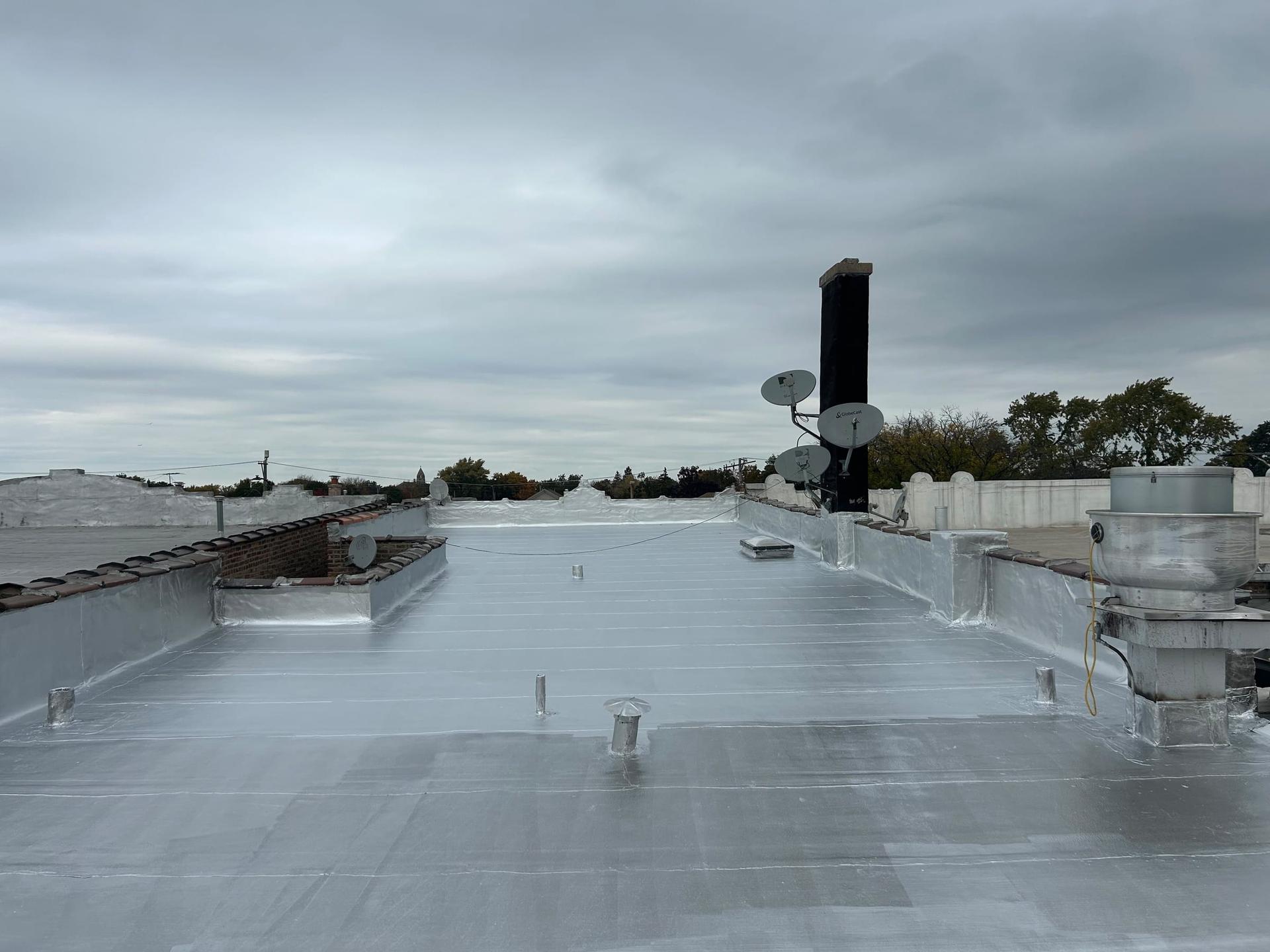
We specialize in three flat roofing systems. None is always better than the others: the right one depends on the property's design, existing conditions, roof slope, intended use and project requirements.
TPO Roofing
TPO is a single-ply roofing membrane commonly used on commercial and low-slope roofs. When properly installed, its heat-welded seams create a continuous roofing surface.
- Single-ply roofing membrane
- Heat-welded seams
- Commonly used on commercial and low-slope roofs
- Available in reflective membrane configurations
- Requires appropriate detailing around penetrations, edges and drainage areas
EPDM Roofing
EPDM is a single-ply synthetic rubber roofing membrane used on flat and low-slope roofs. It remains flexible through temperature changes, and its seams, flashing, edges and penetrations are installed to the system's requirements.
- Single-ply synthetic rubber membrane
- Remains flexible through temperature swings
- Seams joined with the system's specified tapes or adhesives
- Used on residential and commercial low-slope roofs
- Detailing at penetrations, edges and drainage is critical
Torch-Down Modified Bitumen
Torch-down modified bitumen is a roofing system that uses heat-applied modified bitumen membranes. It is commonly used on suitable flat and low-slope roofs.
- Modified bitumen membrane system
- Heat-applied installation method
- Commonly used on suitable flat and low-slope roofs
- Requires appropriate substrates and fire-safety precautions
- Proper seams, flashing and drainage are essential
Built for Chicago weather
Flat Roofing Designed Around the Details.
On a flat or low-slope roof, drainage, seams, flashing and penetrations largely determine how the roof performs, and Chicago's rain, snow and freeze-thaw cycles test all of them. We choose the roofing system to suit each building and its existing conditions.
Residential
- Chicago two-flats and multi-unit buildings
- Residential flat and low-slope roofs
- Garages and additions
- Other suitable residential roof structures
Commercial
- Commercial buildings
- Retail and mixed-use properties
- Small office buildings
- Other suitable commercial flat roofing projects
Drainage & Water Management
01Proper slopes, drains, scuppers, and drainage paths help reduce standing water and direct runoff away from vulnerable areas.
Seams & Membrane Installation
02Roofing membranes must be installed and joined according to the selected system's requirements to create a continuous protective surface.
Flashing & Roof Penetrations
03Parapet walls, rooftop equipment, vents and other penetrations are flashed to help prevent water intrusion.
Roof Edges & Transitions
04Perimeters, wall connections, and transitions between roofing materials require compatible components and proper installation methods.
Common Flat Roofing Problems.
Not every flat roof problem requires full replacement. Localized damage can often be repaired; the right solution depends on the roof's condition and the extent of the problem. See Roof Repair for how we approach repairs.
Ponding or standing water
Low spots, sagging decking or blocked drains that leave water on the roof after rain or snowmelt.
Damaged membranes
Punctures, cracks, blistering or wear in the roofing membrane.
Deteriorated flashing
Flashing at parapets, walls and curbs that has loosened, cracked or separated.
Seam separation or defects
Seams that have opened or were not properly joined.
Leaks at equipment and penetrations
Rooftop units, vents, pipes and curbs where the membrane is interrupted.
Drainage issues
Drains, scuppers or gutters that are clogged, undersized or set too high to drain the roof.
Aging roofing systems
Widespread wear across the roof, where repeated repairs may no longer be practical.
How we install
Every step, before it happens.
You know what happens next, who is on site and what you are approving, from the first visit to the final walkthrough.
Initial Consultation
We discuss the property, existing roofing concerns, and the scope of the proposed project.
Roof Assessment
We evaluate accessible roof conditions, drainage, penetrations, flashing, and other relevant details.
Roofing System Recommendation
We discuss appropriate roofing options based on the building's needs and existing conditions.
Written Estimate & Planning
We provide a written scope of work and coordinate the project requirements.
Roofing Installation
We install the approved roofing system, including membrane seams, flashing, roof edges and drainage.
Final Review
We review the completed roofing work, cleanup, and any relevant maintenance considerations.
The Alderline difference
What we do differently on this kind of job.
System Selection
We evaluate the property's roofing requirements before discussing suitable flat roofing systems.
Drainage Considerations
We check existing drainage, how water flows across the roof, and where it tends to pond.
Flashing & Penetrations
Parapets, penetrations, edges and transitions are included in the scope of work.
Clear Recommendations
We explain observed conditions, proposed materials, and the recommended scope of work before moving forward.
Our work
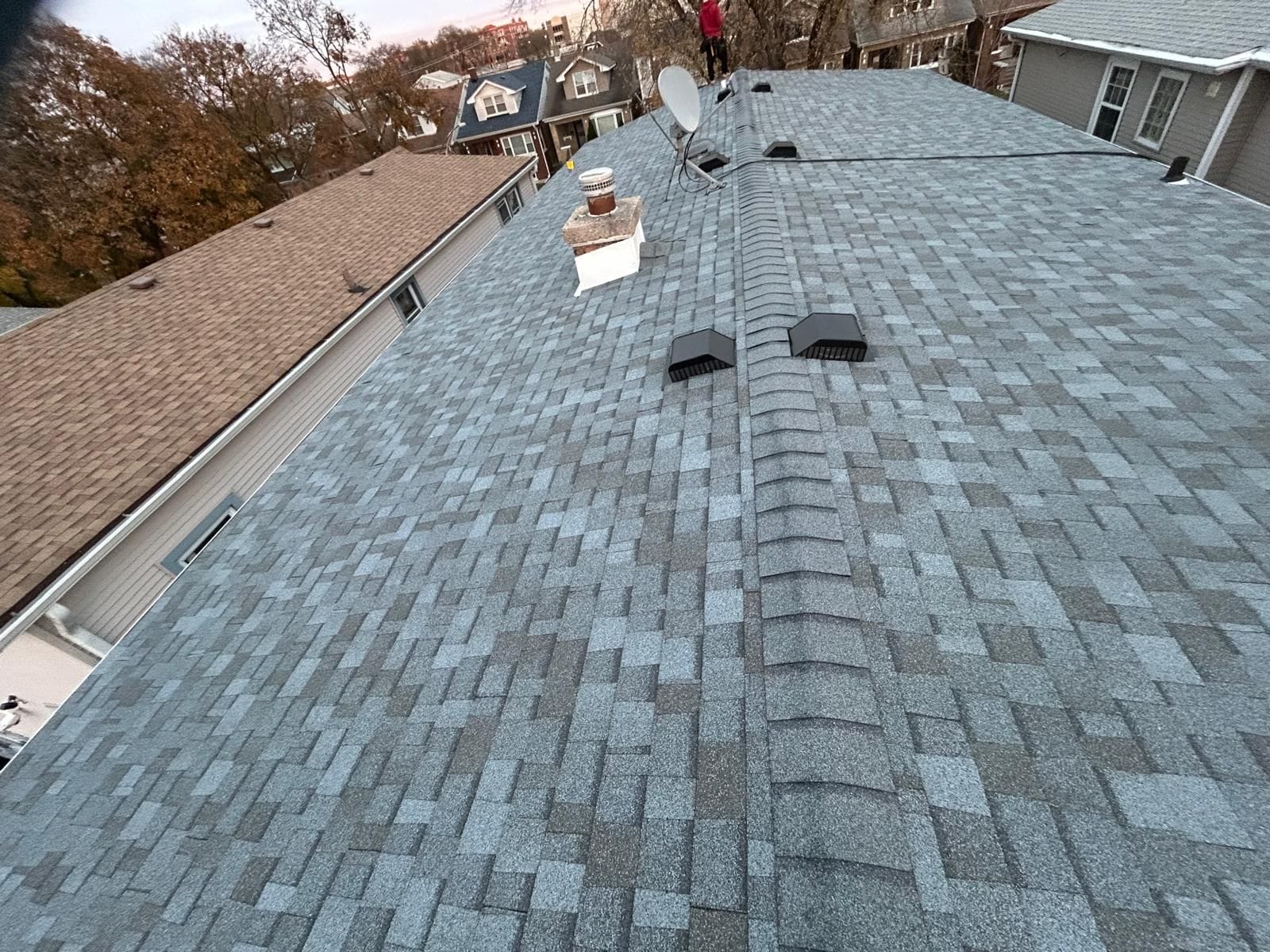
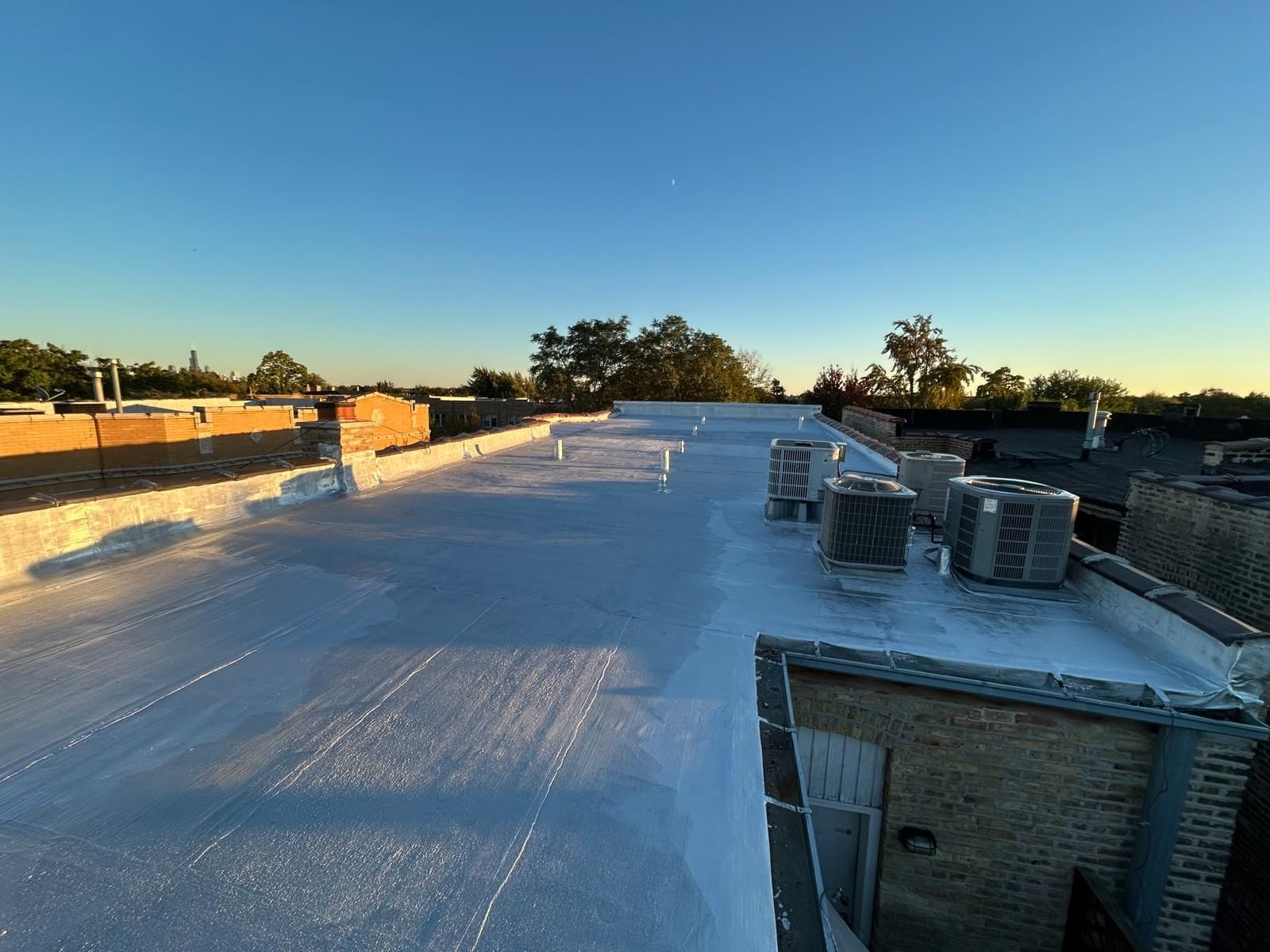
Recent roofing projects.
FAQ
Common Flat Roofing Questions
What is the difference between TPO, EPDM and torch-down modified bitumen roofing?
TPO is a single-ply membrane joined with heat-welded seams, often in a reflective, light-colored configuration. EPDM is a single-ply synthetic rubber membrane that stays flexible through temperature changes. Torch-down modified bitumen uses heat-applied, asphalt-based membranes, usually installed in layers. All three are used on flat and low-slope roofs; they differ in materials, installation method and how they are detailed.
Which flat roofing system is right for my property?
It depends on the building's design, the existing roof, slope, drainage, foot traffic and how the roof is used. We assess the roof and explain why we recommend one system over the others for your building.
Do you install commercial flat roofs?
Yes. We work on flat and low-slope roofs for commercial buildings, including retail, mixed-use and small office properties, as well as residential two-flats, multi-unit buildings, garages and additions.
Can flat roofing be repaired instead of replaced?
Often, yes. Seam problems, flashing issues and localized membrane damage can usually be repaired. If the membrane is failing across the roof or problems keep returning, replacement may be more practical. We explain the options either way.
What causes standing water on flat roofs?
Common causes include low spots in the roof, sagging decking, and drains or scuppers that are blocked or set too high. Standing water can wear membranes faster, so we look for the cause before recommending a fix.
How long does a flat roofing installation take?
It depends on the roof's size, the system chosen, the condition of the existing roof and deck, access, and weather. We share an expected schedule with your written estimate.
How much does flat roof replacement cost in Chicago?
Cost depends on the roof's size, the system selected, insulation and drainage work, the condition of the deck, flashing details and access. After an assessment we provide a written estimate before any work begins.
Do you offer flat roof coatings?
Yes. We provide roof painting and coating services for suitable roofs. Whether a coating is appropriate depends on the existing roofing material and its condition, so we assess the roof before recommending one.
What maintenance does a flat roof require?
Keep drains, scuppers and gutters clear, especially in fall, and have the roof looked at periodically and after major storms. Watch for standing water, damaged membrane and loose flashing, and address small problems before they spread.
Flat Roofing near you
Chicago's north and northwest side and the suburbs next door. Pick your town for local notes on housing, weather and permits.
Start your project
Let’s Talk About Your Flat Roofing Project.
Whether you're considering a TPO or EPDM installation, a torch-down modified bitumen system, a roof coating, or repairs to an existing flat roof, Alderline Exteriors can help you evaluate your options and plan the next steps.